
The Nigeria Football Federation has formally taken its protest against the DR Congo national football team to the world’s football governing body following allegations that the Leopards fielded ineligible players in the African World Cup qualifiers playoff match that ended Nigeria’s hopes of reaching the 2026 FIFA World Cup.
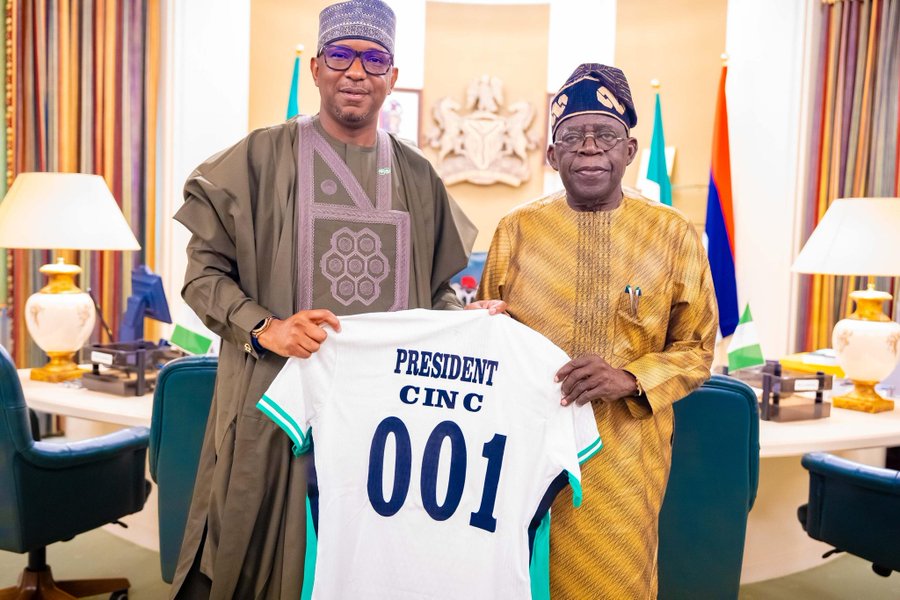
On 19 February 2026, President Bola Ahmed Tinubu was briefed at the Presidential Villa in Abuja by officials including the Chairman of the National Sports Commission, Shehu Dikko, on the status of the protest and Nigeria’s case.
The NFF’s protest centres on claims that several players who featured for DR Congo in the decisive playoff final hold dual nationality, which, under Congolese law, would render them ineligible to represent the country in international competition. Nigeria’s petition argues that the disputed players should not have been cleared to play and that this directly impacted the outcome of the fixture.
Speaking on the development, Alhaji Shehu Dikko maintained confidence in the federation’s position.
“We have a strong case. The evidence available to us clearly supports our protest, and we believe the appropriate authorities will examine the matter thoroughly and fairly.”
Nigeria lost the match to DR Congo on penalties after a 1-1 draw in regulation time, ending their bid to reach the inter-confederation playoff stage for the World Cup.
FIFA has been reviewing the protest, with expectations that a ruling could influence not just Nigeria’s standing but also broader eligibility compliance matters across African football. Sports analysts have noted that a decision in Nigeria’s favour would have considerable implications, potentially prompting a wider review of player eligibility and compliance with both national citizenship laws and FIFA statutes.
As of now, FIFA has not publicly announced its verdict on the case. The outcome remains one of the key pending decisions in Nigeria’s football landscape, with stakeholders awaiting clarity on whether the protest will alter the competitive outcomes or reinforce regulatory standards within the game.


